1. What Is a Country Identifier on a Number Plate?
A country identifier is the designation displayed on the left-hand side of a UK number plate, typically accompanied by a national flag. It tells other road users — and authorities — which country the vehicle is registered in. While a country identifier is not a legal requirement for driving within the UK, it becomes critically important the moment you cross an international border.
It’s worth noting that as of January 2021, the Euro Star symbol — once a common sight on British plates — is no longer legally recognised. Any vehicle still displaying the euro star identifier will need to address this before travelling in the EU.
2. The 6 Legal Country Identifier Variations in the UK
Within the United Kingdom, there are currently six legally permissible country identifier variations, each paired with the appropriate national flag:
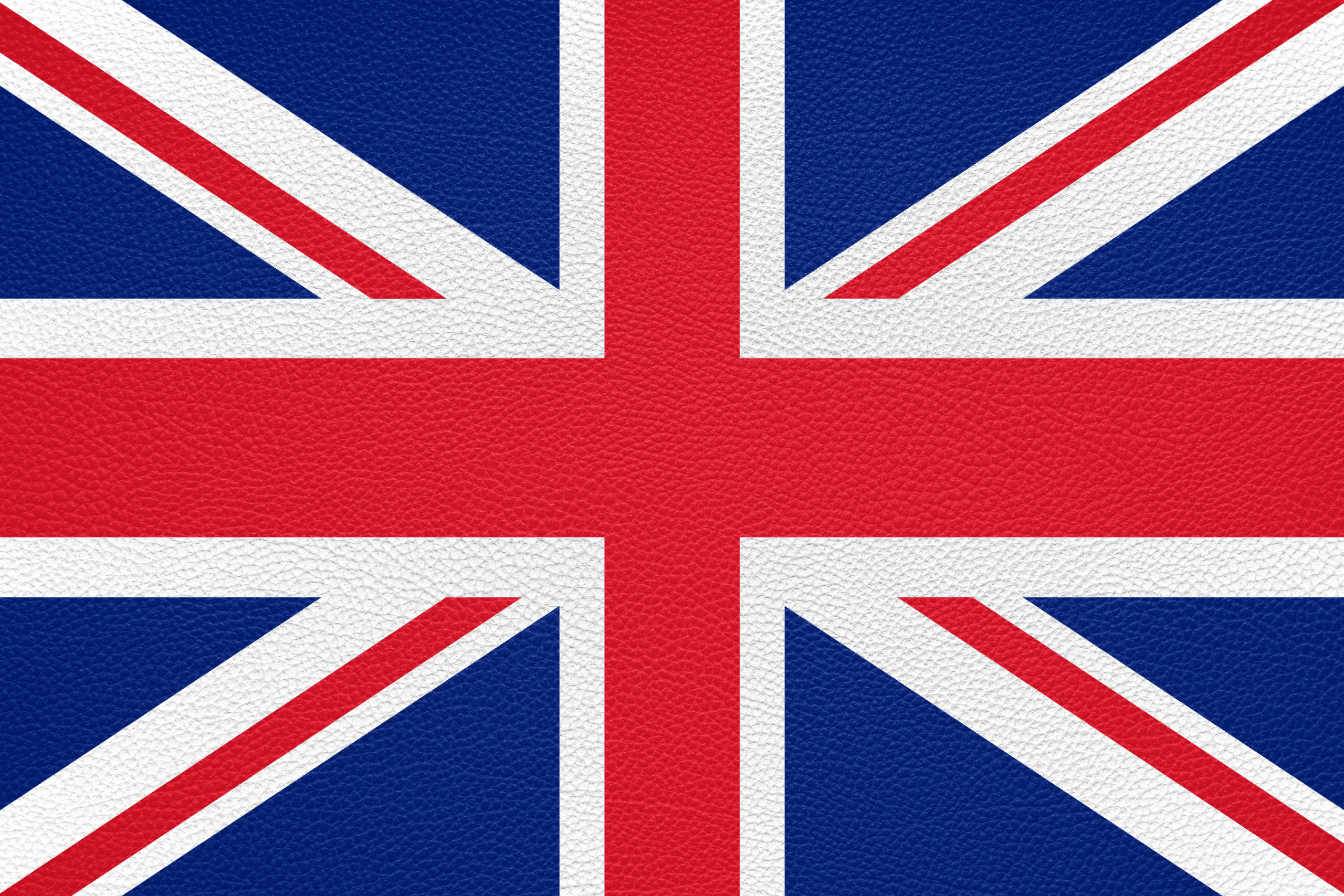
- UK — United Kingdom, Union Jack
- GB — Great Britain, Union Jack
- CYM — Cymru, Welsh Flag
- WAL — Wales, Welsh Flag
- SCO — Scotland, Saltire
- ENG — England, St. George’s Cross
All six of these remain valid for driving within the UK. However, as explained below, the rules change significantly when travelling abroad in Europe.
3. The New EU Rule That Every British Driver Must Know
As of 28th September 2021, a significant regulation came into effect for all British registered vehicles travelling within the European Union. Under this new rule, the only legally recognised country identifier in the EU is UK, displayed alongside the Union Jack.
This means that if your vehicle currently displays GB, ENG, SCO, WAL, CYM, or the retired euro star, it will not meet the legal requirements for driving in EU member states. For official guidance on driving abroad post-Brexit, the UK Government’s foreign travel advice and the RAC’s guide to driving in Europe are both excellent resources.
4. Do You Need to Replace Your Number Plate?
Not necessarily — and this is good news for many drivers. If your current plate displays any identifier other than UK, you have two compliant options without replacing the plate entirely:
- Cover the existing country identifier when travelling in the EU
- Attach a UK oval sticker or magnet to the rear of your vehicle
A correctly displayed UK oval sticker satisfies the EU requirement and is a simple, low-cost solution. This applies whether your plate shows one of the other six national identifiers or the now-retired euro star symbol.
5. Why UK Replaced GB as the Standard Identifier
The shift from GB to UK as the official designation is more than a cosmetic change — it carries genuine significance. “Great Britain” technically refers only to the three nations that make up the island itself: England, Scotland, and Wales. “United Kingdom,” by contrast, encompasses all four nations, including Northern Ireland. The change to UK as the internationally recognised country identifier was therefore made to more accurately and inclusively represent all parts of the country.
The European Union now formally recognises UK as the official designation for British registered vehicles.
Buying a New Number Plate or Need a Country Identifier Sticker?
If you’re in the market for a new number plate and have plans to travel in Europe, make sure you choose the UK designation from the outset — it’s the only one that will keep you fully compliant abroad. If your current plate shows a different identifier, a UK oval sticker is a quick and affordable fix.
To order your country identifier stickers or find out more about legal UK number plates, contact us today — we’re happy to help.